
Complete Guide to Getting a Drone Permit in Morocco
Terms like drone permit Morocco, drone authorization Morocco, drone filming Morocco, and Morocco drone regulations come up the moment aerial cinematography

Terms like drone permit Morocco, drone authorization Morocco, drone filming Morocco, and Morocco drone regulations come up the moment aerial cinematography
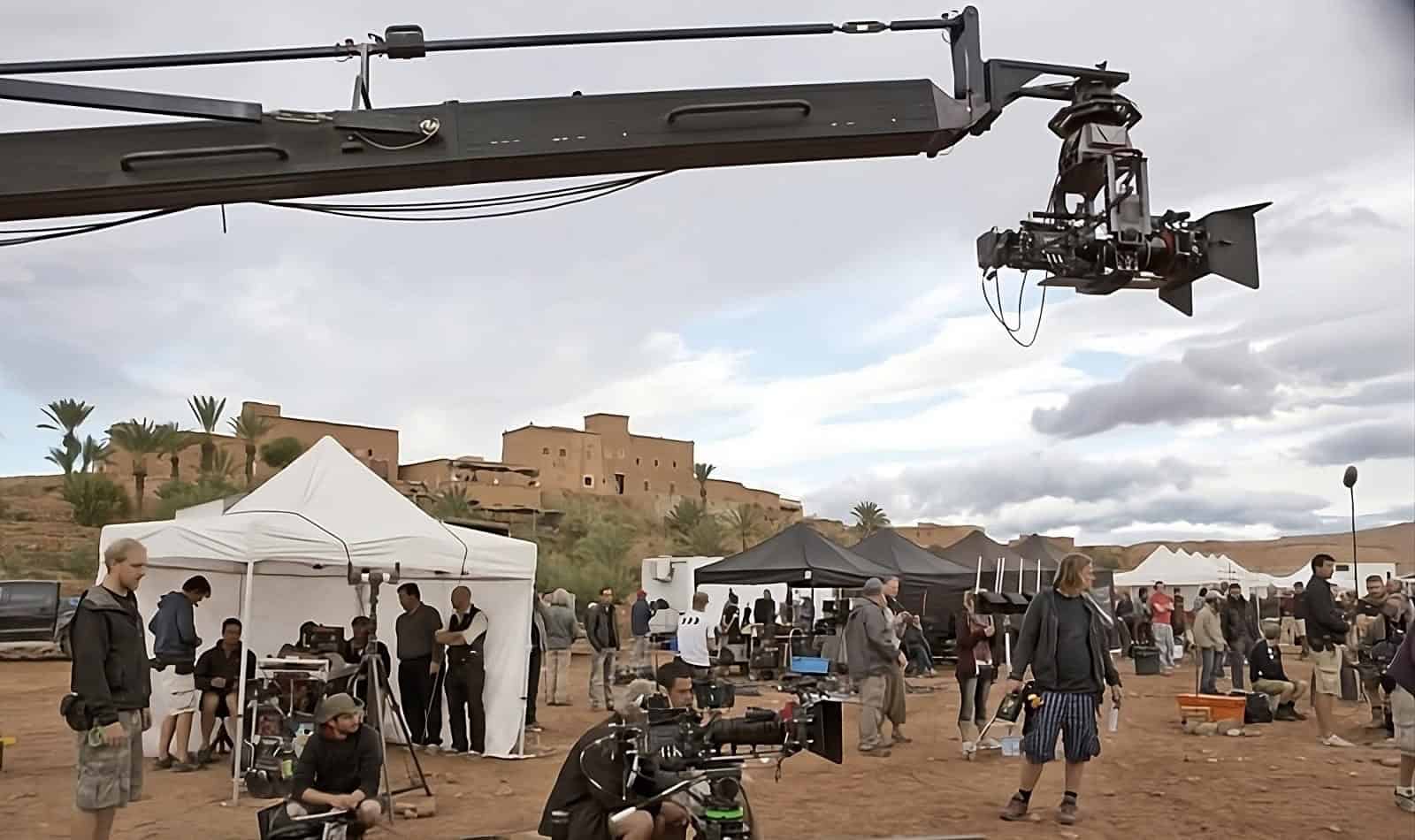
Morocco has become an increasingly popular destination for international filmmakers due to its diverse landscapes, skilled local crews, and supportive government
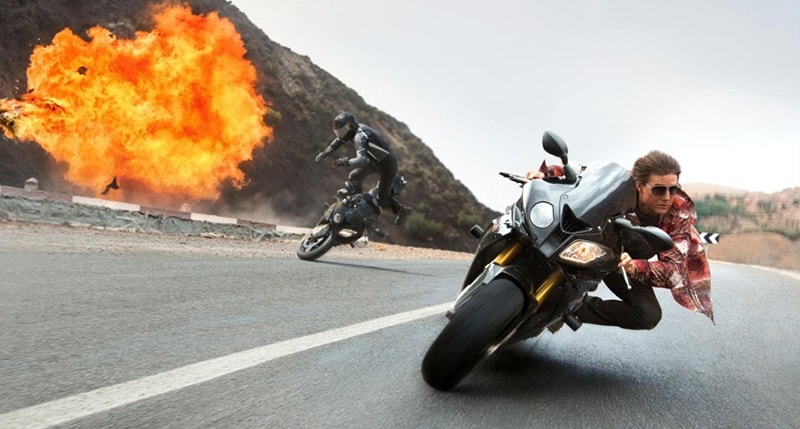
Explore Morocco’s film incentives guide: eligibility, benefits, and application process for filmmakers seeking breathtaking locations and financial perks.

Complete Guide to Obtaining Moroccan Filming Permits for Foreign Productions
Morocco hosts international feature films, television productions, commercials, documentaries and music videos. Before confirming a shoot, producers need to establish which filming procedure applies, what documents must be assembled and whether the locations or equipment require additional permissions.
This guide explains the main steps for planning a foreign production in Morocco, based on information published by the Centre Cinématographique Marocain (CCM). Requirements vary by project category and can change: confirm the applicable procedure with the CCM and your Moroccan production partner before setting a final schedule or budget.
Do You Need a Filming Permit in Morocco?
The CCM distinguishes between location-scouting authorisations, filming authorisations and filming declarations. The relevant route depends on the nature of the activity and production. It should not be assumed that every shoot follows the same application process.
For professional feature films, television works, commercials and other audiovisual productions, start by identifying the precise category on the CCM’s official filming procedures page. The CCM also lists declaration procedures for certain activities, including student productions.
A CCM procedure does not automatically replace permission from the owner or administrator of a filming location, or any additional authorisation required for a specialised activity.
Working With a Moroccan Production Partner
For a foreign production appointing a Moroccan company to provide executive production services, the CCM states that foreign executive production activity may be carried out only by holders of its international executive production accreditation (agrément international d’exécution de production). That accreditation is issued to production companies holding the required authorisation to operate. It is distinct from a filming permit for an individual project. See the CCM’s clarification on executive production for third parties and its authorisation and accreditation procedures.
Before appointing a local partner, ask which Moroccan entity will contract with the foreign producer, which services it will perform, and whether its authorisation and accreditation cover that mandate. Requirements can differ for other types of work; the executive-production rule should not be presented as a blanket licence requirement for every supplier.
The production partner can help identify the applicable CCM procedure, assemble the file, coordinate crew and location information, and follow up on the application. The CCM and other competent authorities issue the relevant approvals; no producer can promise an automatic permit.
For local coordination and application support, see CAESTUS FILMS’ Filming Permit Services in Morocco.
How to Apply for a Moroccan Filming Permit: Step by Step
Production tip: begin this work as soon as the shooting plan and crew structure are sufficiently defined. Delayed contracts, insurance certificates, revised locations or an incomplete storyboard can hold up a file even when the main creative brief is ready.
CCM Filming Permit Documents by Production Type
The CCM publishes document checklists by production category. Most professional applications share a core file, with additional creative materials for each format. Begin with the common documents, then check the category-specific additions below. The final checklist is the one applicable to your particular production.
Common production documents, where required by the category:
Creative documents vary by format: a script and synopsis for many scripted works, a storyboard for advertising, an illustrated treatment and lyrics for music videos, or a detailed concept and work programme for factual productions.
Feature Films and Feature-Length Documentaries
For a feature film, the CCM calls for a script and synopsis in the filming language. Include a coproduction contract if applicable, alongside the common production documents. A feature-length documentary is listed with this category; its creative materials should reflect the classification used for the application.
Television Films, Series and Sitcoms
For scripted television, prepare the scripts and synopses appropriate to the programme, together with the common production file. Identify the series or television-film format, episodes, shoot dates and contracting entity; a sitcom or factual TV programme may have a different CCM category.
Short and Medium-Length Films
Short and medium-length films also use a script and synopsis in the filming language, together with their shooting programme and the relevant core documents. Identify the precise short-film category rather than recycling a feature-film application unchanged.
Commercials and Advertising Shoots
For commercials, prepare the commissioning order or production contract, a concept or synopsis in the filming language and a storyboard. Include the common crew, insurance and scheduling documents. Flag public-space filming, substantial set dressing, traffic restrictions or specialist sequences early for separate location coordination.
Music Videos and Musical Productions
Music-video applications require an illustrated presentation of the clip and the song lyrics. Add the common contracts, insurance and schedule. A live performance or another music programme may need a different category.
Corporate and Institutional Films
Institutional-film files generally centre on the commissioning contract or order, a detailed concept, and a storyboard or illustrated script where relevant. Add the common production documents. Consider access arrangements for offices, industrial sites or public institutions separately.
Television Programmes and Reality Shows
For reality shows and other non-fiction TV programmes, describe the programme concept and working plan, with crew and trainee information, contracts, insurance and the shooting schedule. Include unit movements and any public or sensitive locations; do not treat a reality format as a scripted series.
Documentaries, Reports and Factual Productions
A documentary or commissioned report commonly requires a detailed concept, crew and trainee list, work programme and provisional schedule, as well as the relevant contracts and insurance. Separate a feature-length documentary from a television capsule or commissioned report when selecting the CCM category.
Language of documents: for several categories, the CCM calls for scripts or synopses in the language of filming. French or Arabic translation is not a universal requirement across every format; use the language and supporting documents specified for your actual category.
How Long Does a Filming Permit Take in Morocco?
There is no single lead time applicable to every foreign production. The processing period depends on the project category, whether the file is complete, and whether additional location or specialist approvals are needed. The CCM publishes specific timeframes for certain procedures—for example, a separate provision for an electronic news outlet’s own audiovisual production—but these should not be applied to an international feature film or commercial.
Plan the application backwards from your first shooting day:
Ask your Moroccan partner to confirm the current category-specific filing requirements and any applicable deadline with the CCM early in pre-production. Timelines quoted under older circulars must not be treated as a universal 2026 promise.
Filming Permit Costs and CCM Fees
CCM fees depend on the production category and, in some cases, the duration of the permit. The CCM’s published fee schedule includes separate entries for foreign feature films, television productions, commercials, music videos and other formats.
As reviewed on 27 October 2026, the CCM website still displays a fee schedule headed “applicable from 1 July 2015”. That date describes the schedule’s stated effective date; it does not, by itself, establish that the rates have expired. The following foreign-production examples are shown before tax on that CCM page:
Before locking the budget or paying a fee, confirm with the CCM that the rate, unit, tax treatment and payment instructions remain applicable to your filing. This published schedule does not include costs for location access, crew, equipment, production services or other shoot arrangements.
Moroccan Crew Requirements and Professional Cards
Moroccan crew and trainee requirements are defined by department and type of production, not by a single 25% quota for the whole team. The CCM’s published table of Moroccan technicians and trainees includes a dedicated column for foreign productions.
For example, that table lists 30% Moroccan technicians in certain foreign-production departments, including production management, camera, sound, and lighting/grip. Other specialisms use minimum headcounts, and the table also specifies trainee requirements. Review the proposed crew list department by department before budgeting or contracting; check any professional-card requirements for the relevant roles.
Location Permissions, Drone Filming and Other Requirements
Permissions relating to locations are separate practical questions. Private properties require agreement from the owner or authorised representative; filming in managed heritage sites, protected areas or other restricted places may require approvals from the relevant administrators or authorities. The conditions depend on the location and planned activity.
Drone filming should be treated as a separate compliance workstream. Confirm the current requirements relating to the aircraft, its importation where relevant, operators and flight permissions with the competent authorities. Do not assume that a CCM filming authorisation alone covers drone operations, or that a particular drone approval will be issued in a fixed number of days. Our guide to drone permits in Morocco offers a related starting point, but project-specific requirements should be checked directly with the authorities.
Pre-Production Checklist for Foreign Producers
A concise brief helps your local production partner identify the right route quickly. Before requesting permit support, share:
Your local partner can then identify missing items, the responsible applicant and any permissions that need their own timetable.
Frequently Asked Questions About Morocco Filming Permits
Do foreign productions need a filming permit in Morocco?
Many professional foreign film and audiovisual projects require a CCM filming authorisation. The CCM also has separate procedures for scouting and certain filming declarations. The correct route depends on the activity and production category; a permit for the shoot does not automatically cover private-location access or drone operations.
How long does it take to obtain a filming permit in Morocco?
Processing depends on the type of shoot and the completeness of the application. The CCM publishes some category-specific rules, but no single turnaround should be applied to all foreign films, series and commercials. Plan for document preparation and separate location approvals, and confirm your filing timetable with your Moroccan production partner.
What documents are required for a Moroccan filming permit?
Common requirements can include the application form, project synopsis or concept, crew contracts, work-accident and third-party liability insurance, and a proposed shooting schedule. The key creative document depends on the format: scripts for many films and series, a storyboard for commercials, or lyrics and an illustrated treatment for music videos. Use the CCM’s category-specific checklist.
Do foreign productions need a Moroccan production company?
Where a foreign producer appoints a company to carry out executive production services in Morocco, the CCM states that this activity is reserved for a company holding the international executive production accreditation (agrément international d’exécution de production), alongside the required production authorisation. The precise requirements depend on the mandate and category; confirm the credentials of the local entity before contracting.
Official Sources and Further Information
Prepared by CAESTUS FILMS for international producers. Regulatory sources reviewed: 27 October 2026. Requirements and procedures may change; confirm the rules for your project with the CCM and the competent authorities before finalising a shoot.
tags :
SHARE:
Popular Posts
Categories