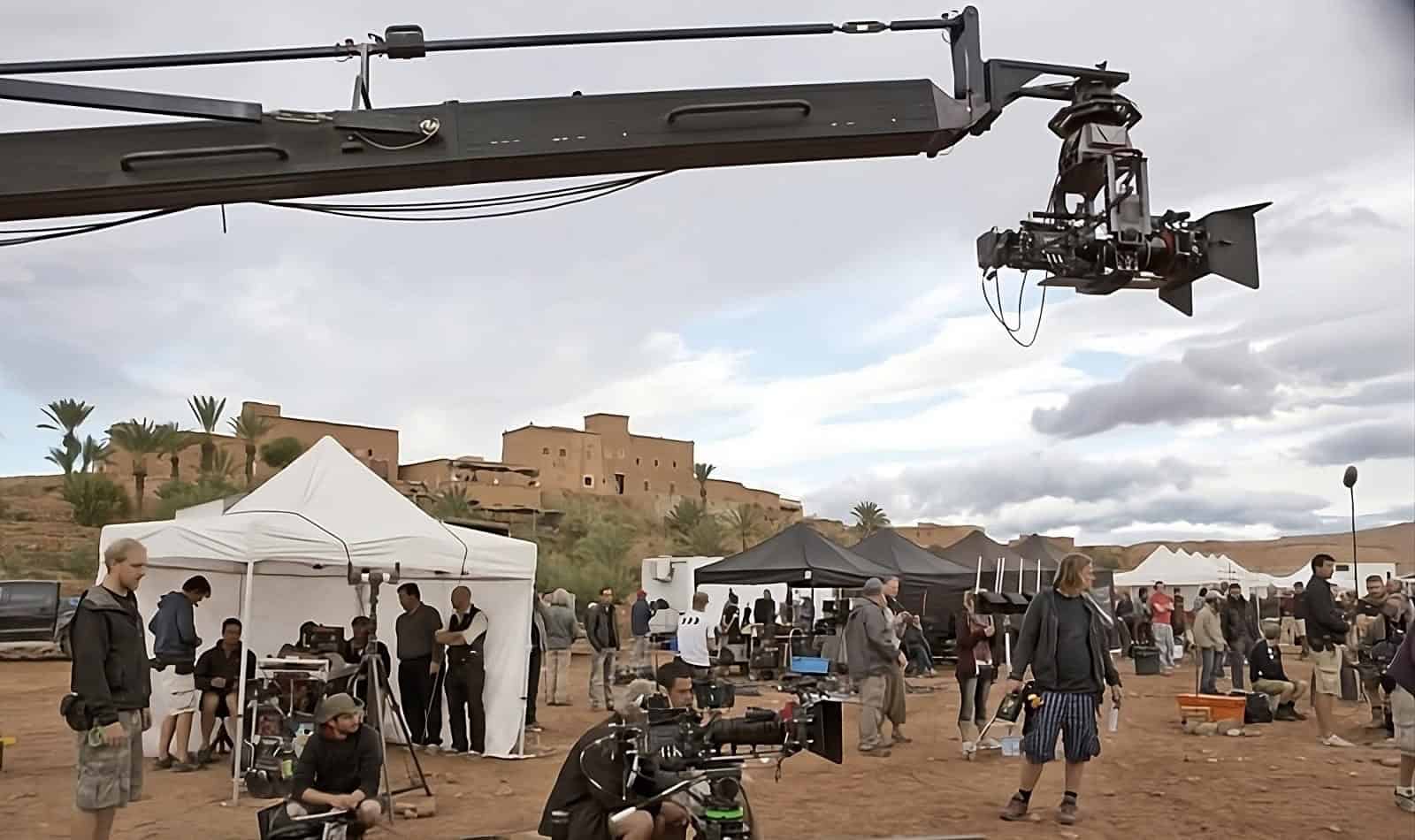
Understanding the Working Conditions, Overtime, and Pay Rates for Film Crews in Morocco
Morocco has become an increasingly popular destination for international filmmakers due to its diverse landscapes, skilled local crews, and supportive government

Morocco has become an increasingly popular destination for international filmmakers due to its diverse landscapes, skilled local crews, and supportive government
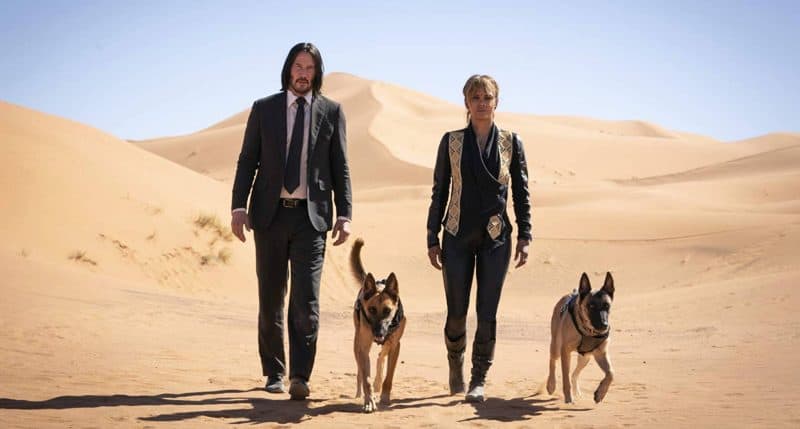
Morocco’s enchanting appeal as a filming location remains unrivalled, with its remarkable cultural diversity, captivating landscapes,
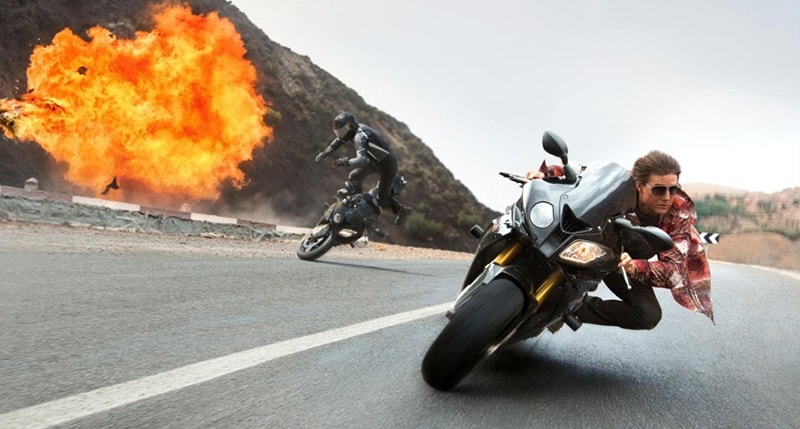
Explore Morocco’s film incentives guide: eligibility, benefits, and application process for filmmakers seeking breathtaking locations and financial perks.

Complete Guide to Getting a Drone Permit in Morocco
Terms like drone permit Morocco, drone authorization Morocco, drone filming Morocco, and Morocco drone regulations come up the moment aerial cinematography is mentioned in the Kingdom. They reflect both a booming demand for drone visuals and the country’s very strict legal framework. Since 2015, Morocco has enforced a zero-tolerance stance on unauthorized drones, driven by national security concerns. Personal/recreational use is prohibited, and only tightly controlled professional exemptions are considered. This guide explains the current rules, the exact steps to obtain the required permits, and why partnering with a local provider streamlines compliance and protects your shoot.
A strict legal framework since 2015
Since February 2015, Morocco has banned the import, sale, and use of civilian drones without prior authorization. The measure—communicated to customs and security services—covers all private or recreational use, including leisure flying, personal photography, or tourist activities. In practical terms, you cannot buy a drone locally or enter Morocco with your own device without breaching the law. Customs are instructed to seize undeclared or unlicensed drones upon entry, and companies that need drones must obtain formal permission in advance. The government cites security and privacy risks, including potential overflight of sensitive sites and misuse.
Personal use is prohibited; professional use is tightly controlled
Although private flying is off-limits, professional operators can request exceptional authorizations, provided they follow a two-track process: a Film Permit for the production itself and a Flight Authorization for the aircraft.
Who is involved in the process?
Multiple agencies share responsibilities, which is why planning and local coordination matter:
Step-by-step: How to obtain a drone authorization in Morocco
1) Prepare your project file and timeline.
Define exact locations, dates, and the aircraft/operator you intend to use. While Morocco does not publish a dedicated private-pilot license requirement, productions are expected to use an experienced, insured remote pilot (EASA/FAA credentials help) and provide full documentation. This preparation phase ensures your later applications are complete and credible.
2) Secure your CCM Filming Permit first.
File your production dossier with the CCM (project description, locations, dates, crew details, and explicit mention of aerial capture). A valid CCM Filming Permit is mandatory before you submit any drone flight request. Processing time depends on format and file completeness; advertising clips can be approved within days, longer formats take more time.
3) UAV insurance for Morocco (required for DGAC).
For DGAC flight authorization, productions are expected to provide aviation liability (UAV) insurance that explicitly covers operations in Morocco. Your certificate should list the aircraft make/model and serial number, the operator/pilot, and the effective dates matching your shoot. It must include third-party liability (bodily injury and property damage) with no country exclusion for Morocco. Choose an amount that fits your risk profile and client requirements. If you’re renting locally, ask the provider to :
4) If bringing your own drone: obtain the prior import license (strongly time-sensitive).
If you must use your own drone, you (or your Moroccan partner) need a prior import license from the Ministry of Foreign Trade, submitted via PortNet and reviewed inter-ministerially (Interior, Trade, telecoms spectrum, etc.). Expect several weeks for clearance; plan well in advance of your first shooting day. Without the license, customs will seize the drone at the border. Most foreign productions avoid import and instead rent locally to bypass this bottleneck.
5) Apply for the drone Flight Authorization (location-specific).
Once you hold the CCM permit (and the import license if applicable), submit your flight request for each mission with exact GPS points, date/time windows, aircraft specs, and pilot/insurance details. Authorities run a security assessment on the proposed envelope. As a planning rule, allow ~10 business days for non-sensitive locations; more for complex/sensitive airspace or proximity to strategic assets. Keep your approval letter and conditions available on set.
6) Comply with flight conditions and local restrictions.
On the day, fly strictly within the approved location/time/altitude envelope and keep all documents (CCM permit, flight authorization, import papers if any) on site. Be aware that some areas remain off-limits even with permits—airports, military sites, royal compounds, ports, borders, and other strategic or protected areas—or may be allowed only under reinforced conditions (police presence, tight time slots, altitude caps). Security context can trigger temporary suspensions around events/visits. Always reconfirm locally before the flight.
No import… or rent locally?
For Morocco, deciding between importing your drone and renting locally has major compliance implications.
Why work with a local provider (and why it matters legally and operationally)
With multiple authorities involved—DGAC, CCM, customs, local/wilaya security—the authorization path can be labyrinthine for newcomers. A vetted Moroccan partner will:
In short, partnering with an experienced provider de-risks your aerial unit and keeps your schedule intact.
Make your Morocco drone project fully compliant
Morocco’s drone regulations are demanding, but they don’t block beautiful aerial work—provided you prepare early and follow the rules. To recap: personal drone use is banned; professional shoots must sequence a CCM Filming Permit → (optional) import license → location-specific Flight Authorization, then execute within the authorized envelope. The formula for success is early planning, precise applications, and local compliance expertise.
If your upcoming shoot includes aerials, delegate the administrative heavy lifting and keep your production on track. Our team at Caestus Films manages the entire process end-to-end—CCM permits, DGAC coordination, wilaya liaison, insurance, pro pilots, and equipment, so you can focus on the images. Start here → Drone Permit and Services in Morocco.
Useful Contacts and Resources
For more information and updates, please visit:
Please note that this guide is intended to provide general information and guidance. While we endeavor to ensure it is up-to-date, we can’t guarantee its accuracy, nor can we accept liability for any outdated or misleading information. It is always essential to verify with the relevant authorities and agencies or contact us directly before making any final decisions.
Frequently Asked Questions
What is the step-by-step process to secure a drone permit in Morocco?
Sequence your filings: CCM Filming Permit (for your production) → DGAC Drone Flight Authorization (mission-by-mission: GPS points, date/time windows, aircraft specs, pilot qualifications, insurance) → Temporary import license (only if bringing your own aircraft) → Local/wilaya coordination where required.
How early should I apply before my first aerial shooting day?
Apply at least one month in advance if you’ll rent locally (to cover both CCM + DGAC). If you import your own drone, plan two months or more for the import license on top of CCM + DGAC.
Do tourists or hobbyists qualify for a Morocco drone permit?
No. Personal/recreational flying is not allowed. Permits are issued for commercial/professional operations only, under strict conditions.
What documents should my DGAC file include to avoid delays?
Provide exact GPS coordinates for each flight, date/time windows, aircraft specifications, pilot qualifications, UAV insurance (model + serial, Morocco covered), and a copy of your CCM Filming Permit.
Is a drone pilot’s license mandatory in Morocco?
A specific license is not required, but a recognized EASA/FAA credential and a strong safety record are highly advisable and help strengthen applications.
Can I bring my own drone to Morocco?
Yes—only with a prior temporary import license. The process is complex and typically takes at least two months. Most productions rent locally to avoid import admin and keep schedules predictable.
Where can’t I fly—even with permits?
Expect restrictions or denials near government buildings, military sites, royal compounds, airports/approaches, ports, borders, and other strategic or protected areas. Urban airspace may carry additional conditions (tight time slots, altitude caps, on-site police liaison).
What are the penalties for non-compliance?
Potential fines, seizure, or permanent confiscation of the aircraft, and legal action. If you inadvertently arrive with a drone, declare it at entry; undeclared drones risk immediate confiscation.
Is UAV insurance required for filming in Morocco?
Yes. Aviation liability insurance is required and must name the exact aircraft (model + serial) and explicitly cover operations in Morocco (no country exclusions).
How do I reduce the risk of rejection or last-minute delays?
Keep documents complete and consistent across CCM, DGAC, customs, and local/wilaya requirements, and work with a vetted local production services company that manages CCM + DGAC filings, import/rental, insurance, and on-set compliance.
→ Let us handle it: Drone Permit & Services in Morocco.
tags :
SHARE:
Popular Posts
Categories